This is a guide to what a correct, original MG TF 1500 should have, area by area: the parts, finishes and details a knowledgeable buyer, restorer or judge looks at. It is a companion to two other pages. To confirm a car genuinely is a TF 1500, its numbers and matching-numbers status, see the identification guide; for what changed through production, see the production timeline. A caution throughout: these cars were hand-built, altered in detail through production, and have been maintained and restored for seventy years, so treat this as the general picture and check specifics for your car against its BMIHT Heritage Certificate and the T Register's registrar.
The engine: the XPEG
The defining correct feature is the engine. A genuine TF 1500 left Abingdon with the XPEG, of 1,466 cc (72 mm bore, 8.3:1 compression), giving 63 bhp at 5,000 rpm, and carrying the XPEG engine prefix, for example XPEG/524. The 1500 engine was marked simply XPEG/, not XPEG/TF/. The 1500 also has its own castings, and they are a reliable confirmation: the cylinder block carries the casting number AEF117, cast into the block, and the cylinder head carries AEF118, stamped into the head. A car badged “TF 1500” with an XPAG/TF engine either is not a genuine 1500 or has had a replacement fitted. The engine number appears on an octagonal plate low on the right front of the block, on the guarantee plate on the bulkhead, and stamped on the block plinth above that plate; for reading and matching those numbers, see the identification guide. What matters for originality here is that the engine is the right unit, correctly presented, with the correct manifolding, twin SU carburettors and air cleaner, and the ancillaries below.
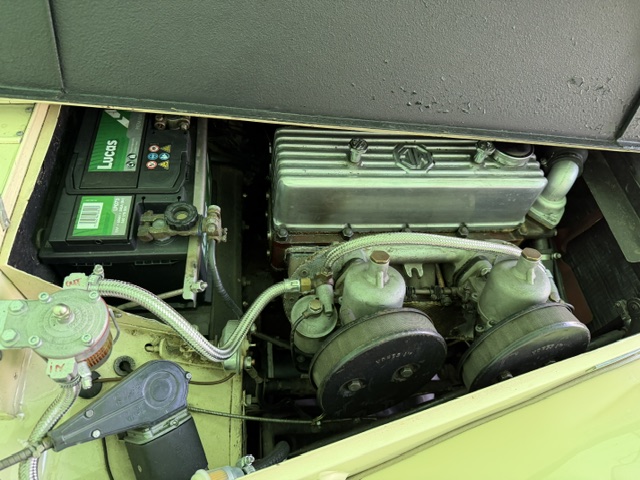
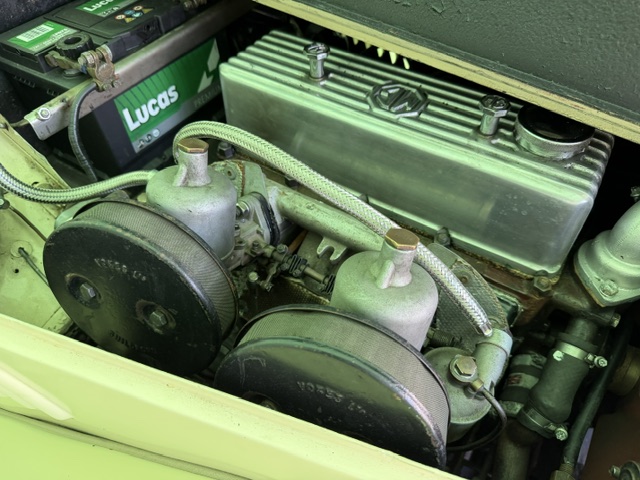
Carburettors, air cleaner and fuel
The TF 1500 runs twin semi-downdraught SU carburettors, fed through the correct air cleaner, with an SU electric fuel pump. The carburettor type, its needles and springs, and the shape of the air cleaner are the things an originality-minded eye checks first, because they are so often changed for later or non-standard parts. The exact specification for your car is given in the workshop data and confirmed by the registrar; a departure here is one of the commonest.
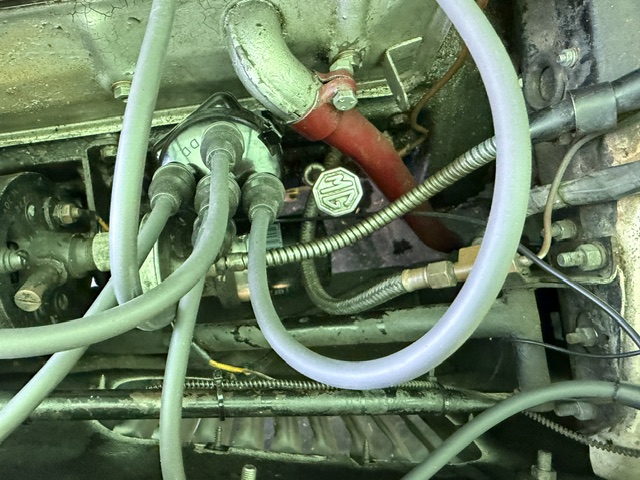
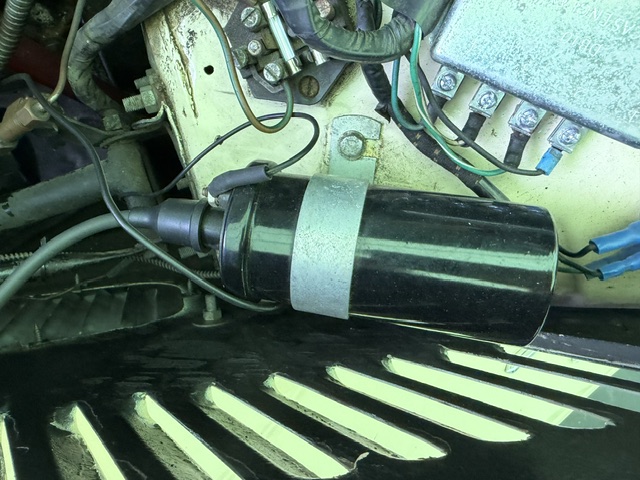
Ignition, dynamo and electrics
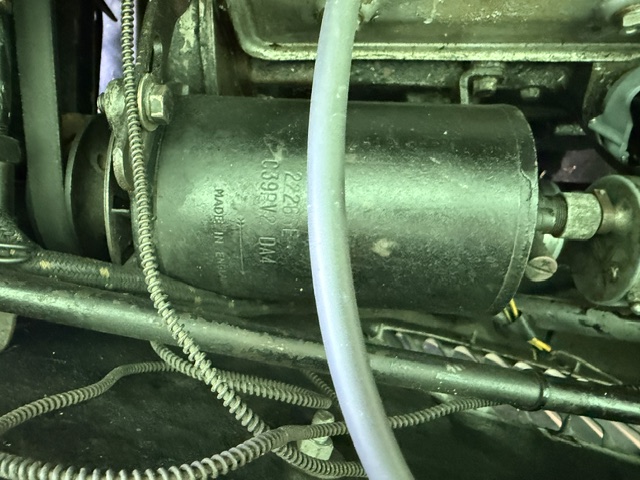
The TF is a 12-volt, positive-earth car with Lucas electrics. Correct details include the Lucas distributor, the Lucas dynamo (a generator, not an alternator) and its control box on the bulkhead, the ignition coil, and correct-pattern wiring. Electronic ignition, an alternator conversion or a change to negative earth are common and sensible improvements, but they are departures from standard that an originality assessment will note. The correct Lucas part numbers are in the workshop data.
The dashboard and instruments
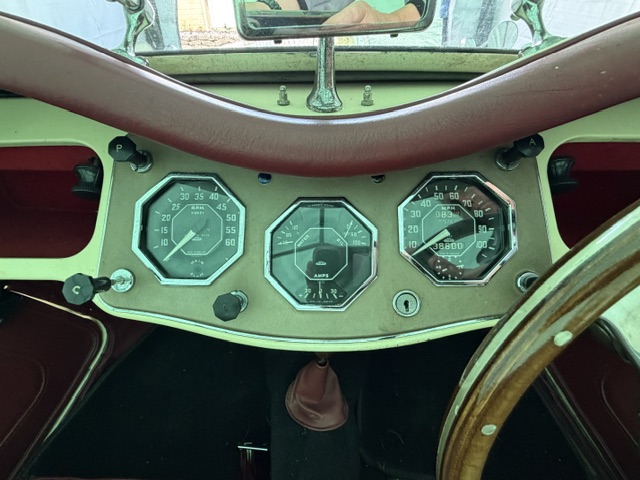
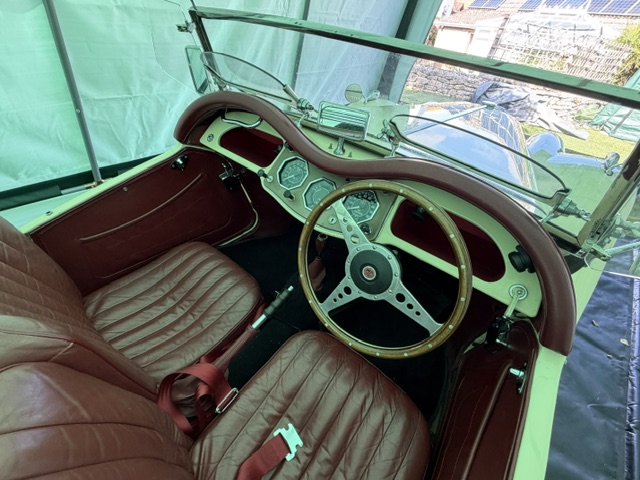
The TF's dashboard was new for the model and is one of its most distinctive features. The instruments are Smiths, in the MG octagonal theme, grouped ahead of the driver and in a central panel: speedometer, matching rev counter, and the minor gauges for oil pressure, water temperature, fuel and charge, with the correct switches and controls. The layout, the octagonal instrument surrounds and the finish of the dash are all things a correct car gets right; reproduction and later instruments exist, so the faces, bezels and lettering repay close inspection.
Seats, trim and interior
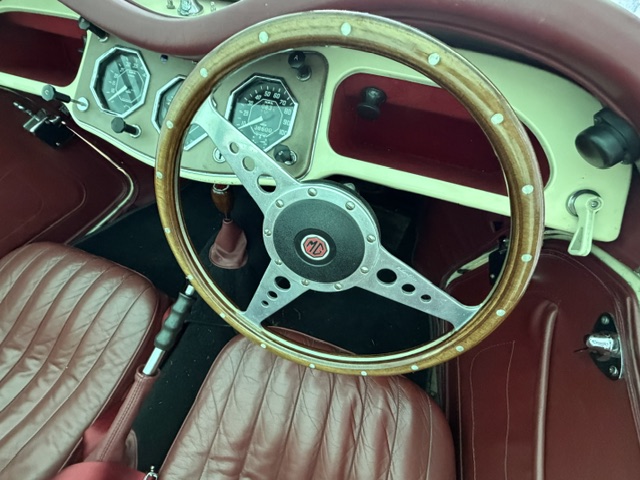
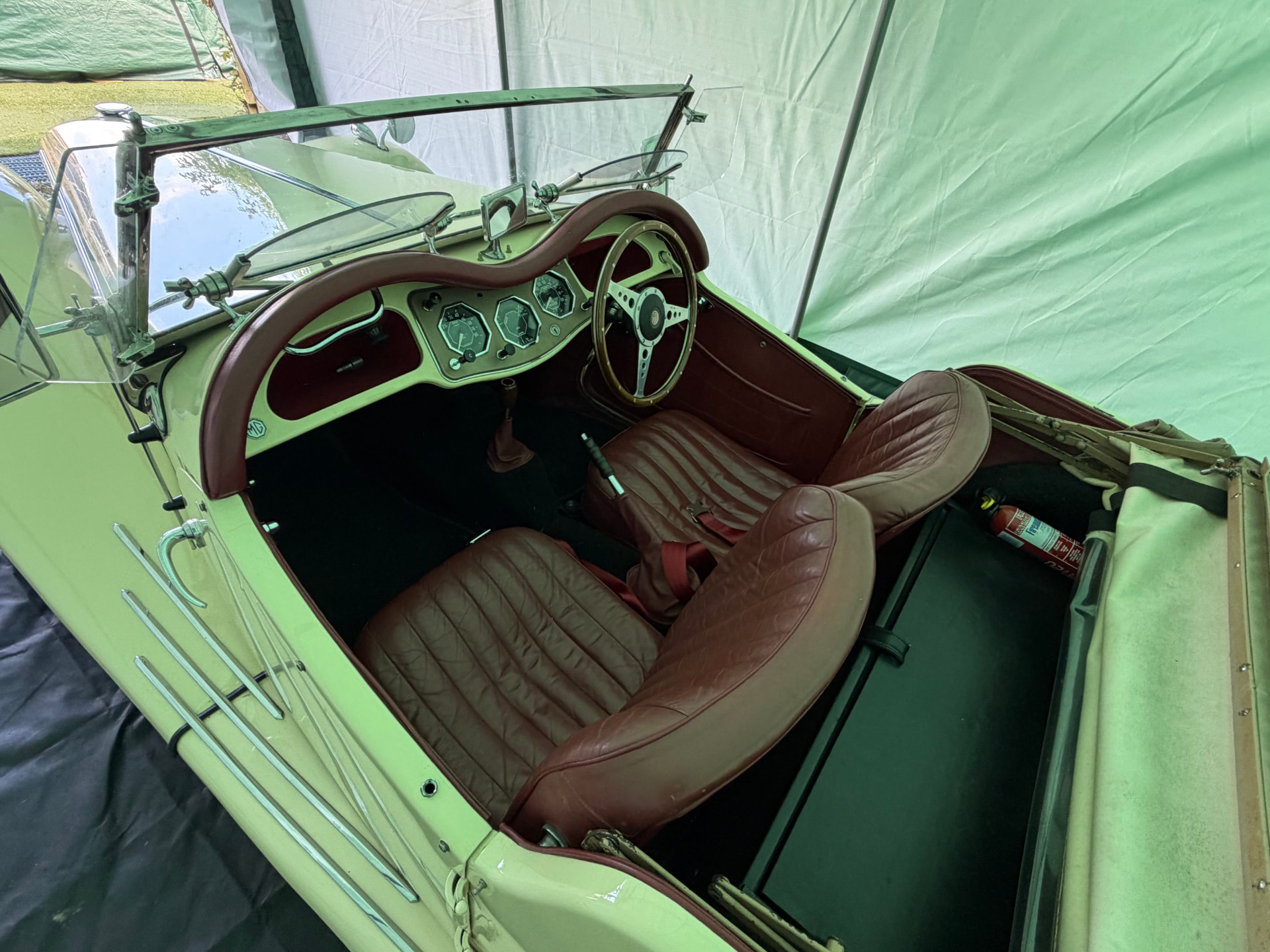
The TF introduced individual seat backs in place of the TD's bench-style backrest, trimmed in leather. Originality here is about the seat pattern and material, the door trims and cappings, the carpet, the correct colour combination for the car's trim code, and the correct steering wheel. Interiors are frequently retrimmed, so a correct interior is one whose materials, colours and pattern match what the factory fitted, as recorded on the Heritage Certificate.
Badges, grille and external details
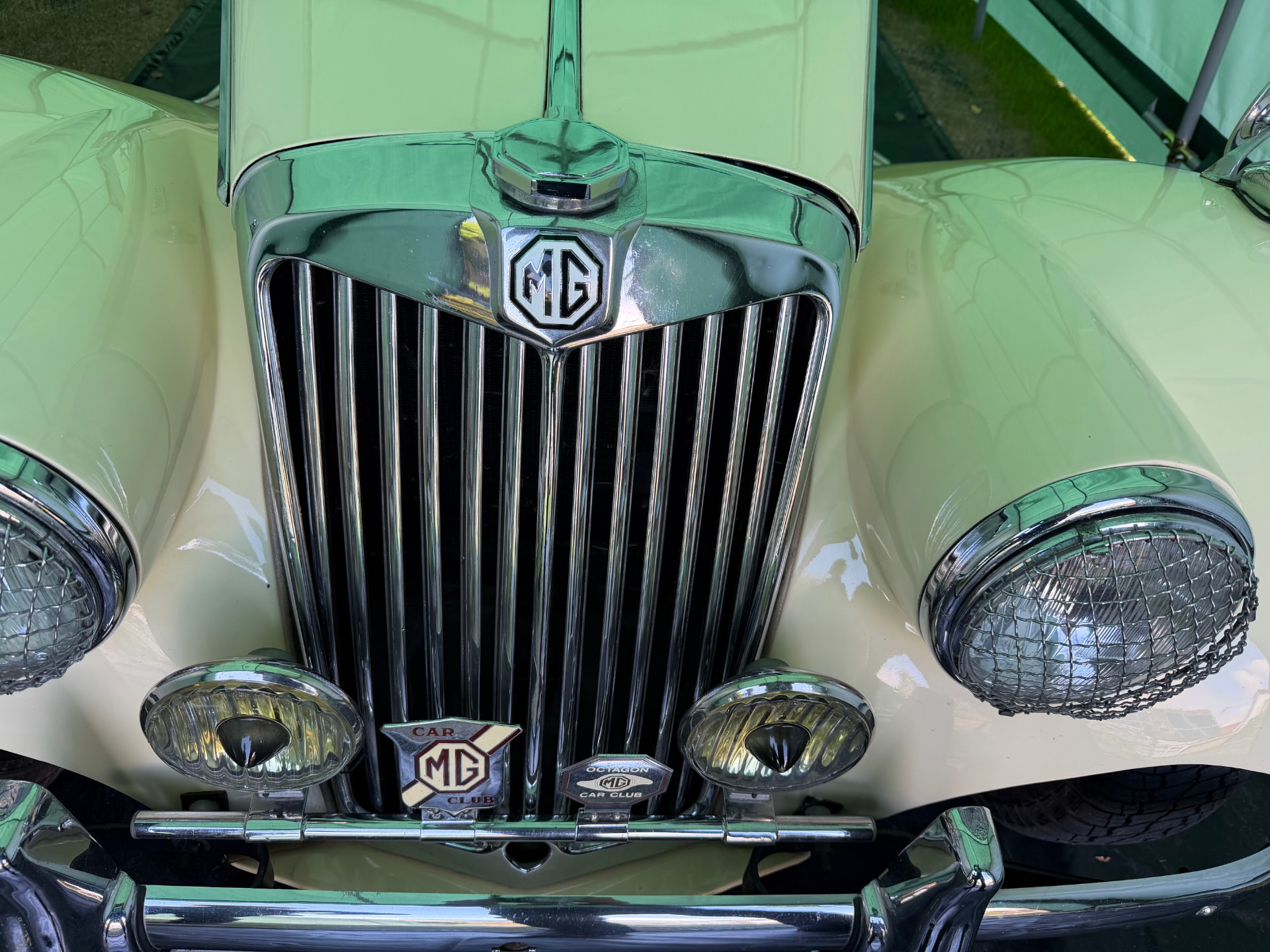
Externally, the TF 1500's identifying details are the two small cream-background enamel “TF 1500” motifs on the bonnet sides, just behind the forward bonnet-release buttons, and two rear reflectors, neither of which the 1250 carried. Beyond those, the correct T-Series details are the raked grille with its octagon badge, the headlamps faired into the wings, the dummy radiator filler cap, the fold-flat windscreen, and the correct bumpers and overriders. Reproduction badges and motifs are common, so their enamel, colour and mounting are worth a look.
Wheels, hubs and tyres
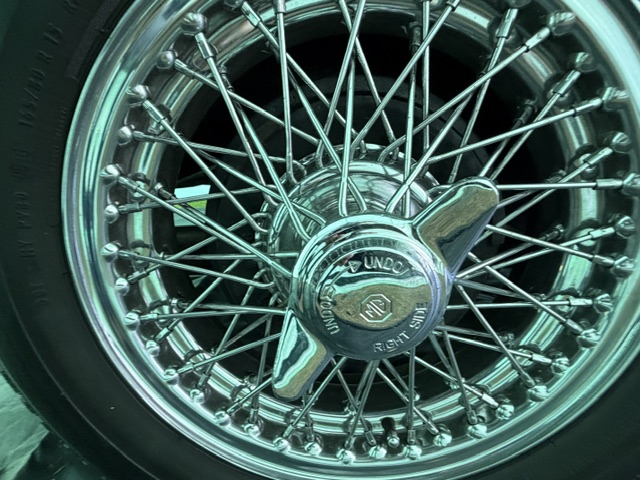
A TF 1500 left the factory on either bolt-on steel disc wheels or centre-lock wire wheels, with the correct octagon-centred hub caps or knock-off spinners, and crossply tyres of the correct size. Later radial tyres and non-standard wheels are usual on a used car; for originality, the wheel type, the hub-cap or spinner pattern and the tyre type are the points of interest.
Paint and factory colours
The TF 1500 was offered in a range of factory colours and trim combinations. The one correct for a given car is not a matter of taste but of record: the original body colour and trim are recorded on the car's Heritage Certificate and encoded on its data plates. A repaint in a colour the car never wore, however well done, is a departure from originality, so start from the Heritage Certificate colour, not the colour the car happens to wear now.
What ‘correct’ really means
A caution to close on. These cars were hand-built, altered in detail through production, and have been serviced, repaired and restored for seventy years. Almost no survivor is correct in every particular, and many sensible improvements make a car more usable at the cost of strict originality. None of that makes a car wrong; it makes it a used classic. Originality is a spectrum, and the authorities on where a given car sits are its BMIHT Heritage Certificate and the T Register's TF registrar, not any single web page. Use this guide as the map, and those sources as the arbiters.
Read next
To confirm a car is a genuine 1500, see Identifying a genuine TF 1500. For what changed through production, see MG TF production changes. For the model overview see the MG TF 1500 and the MG TF model reference. For the engine family behind it, see the XPAG engine hub. See also the companion MG TC originality guide. Corrections and additions from owners are welcome.