The first of the line, and the most misunderstood. Around 3,003 were built between 1936 and 1939 with the MPJG engine, a unit shared with nothing that came after it. Buy a TA for its charm and its history, not for its performance, and never for its tuning potential.
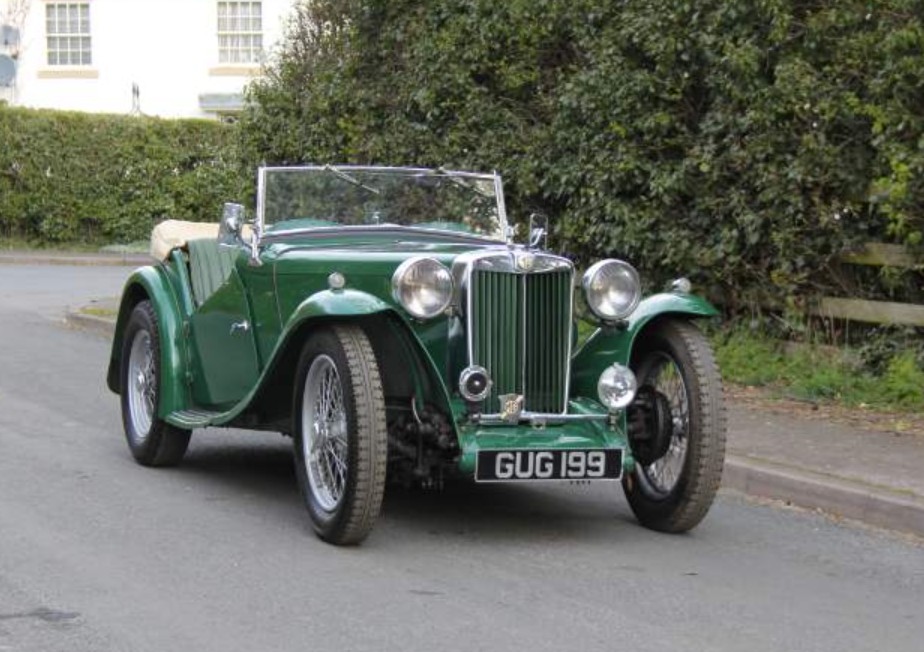
What you're buying
The TA was MG's first Midget built under Nuffield's rationalisation: pushrod MPJG engine, synchromesh gearbox, and a chorus of disapproval from purists who wanted the old overhead-cam units back. It was nonetheless faster than the PB it replaced, 80 mph with the windscreen folded, and it outsold the entire P-Series. It is also the car of the Cream Cracker trials teams, which gives it a competition history the later cars can't claim.
The engine is the whole story
The 1,292 cc MPJG came from the Wolseley 10 and shares essentially nothing with the XPAG that followed. It is straightforward and mostly robust, but it is emphatically not a revver, and attempting to make it one leads to mechanical carnage. An over-revved MPJG is a ruined MPJG. Owners have described it as virtually untunable, which is why some TAs over the years have been fitted with XPEG units instead: a conversion needing no change to engine or gearbox mounting points.
If you want to tune it, buy something else. The XPAG's famous flexibility is not the TA's inheritance.
Check the engine number carries the MPJG prefix. If it doesn't, the car has been re-engined, common, not necessarily bad, but it must be disclosed and it affects both value and character.
Gearbox
Early TAs have synchromesh on the top two gears only. No T-Type has it on first. Double-declutching is part of the deal.
Parts and practicality
The MPJG's isolation is the TA's real ownership issue. Parts shared with the XPAG cars are limited, and the TA is rare outside the UK, so overseas owners will be sourcing from Britain. Budget for patience.
Who it suits
Someone who wants the earliest T-Type, the trials heritage, and a genuinely pre-war driving experience, and who has no intention of chasing power. As a first classic it is a harder proposition than a TD.